


· 7 min read
Renovating Without Demolition: What Can Go Over Your Existing Tiles?
Can new tiles, SPC flooring or microcement go straight over old tiles? How the floor is tested, what a raised floor level affects, and where a bathroom must be stripped out.
Architect Okan Çakal
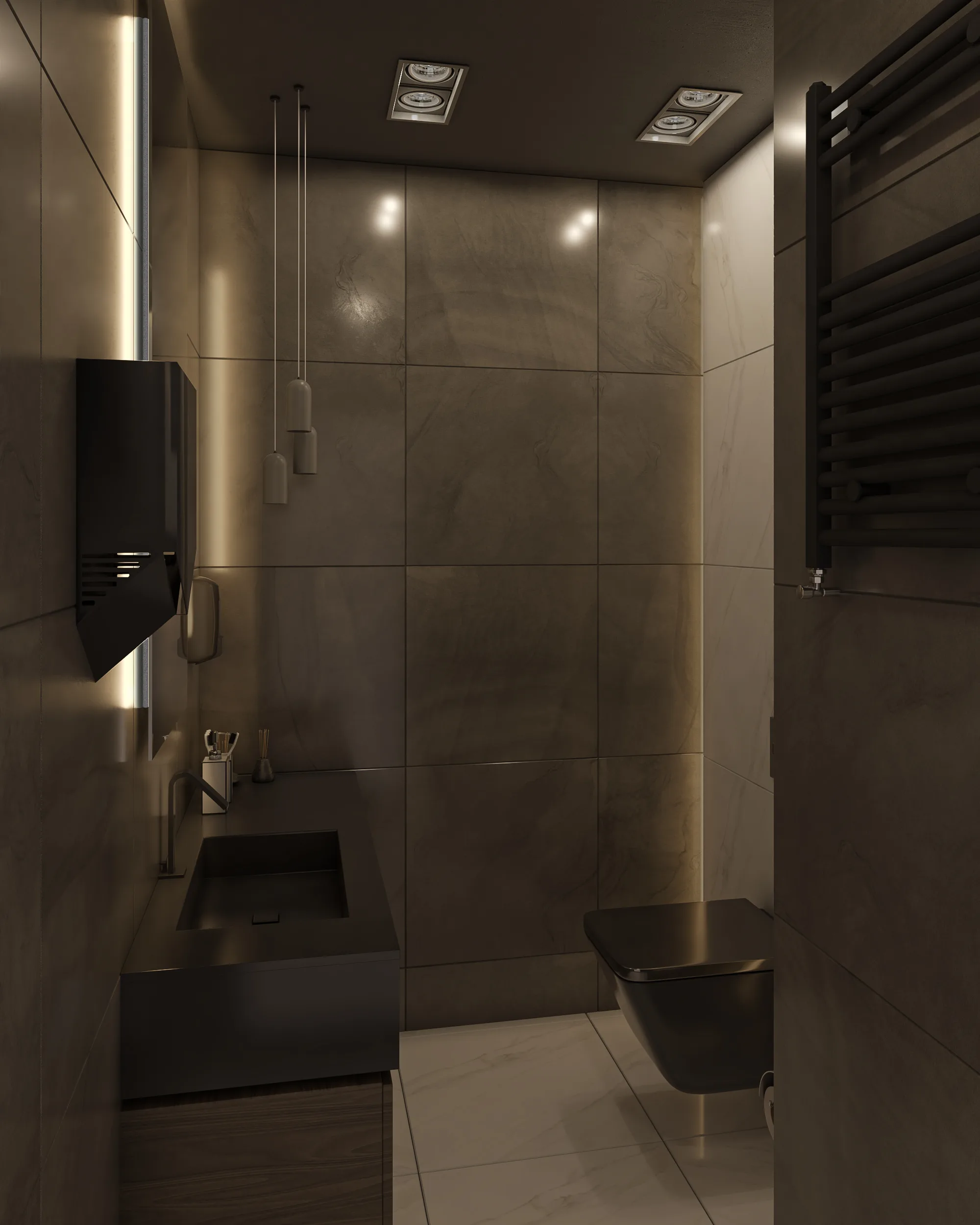
Many resale apartments and older villas in Fethiye have tiled floors throughout, often a dated ceramic laid on a sand-cement screed. When owners plan a refresh, the first question is usually whether all of that has to come up. Breaking out tiles is the noisiest, dustiest part of any renovation, and in an apartment block it also means rubble sacks carried down shared stairs. From our experience on site, the honest answer is that the old surface decides: on a sound base, going over the top saves time and mess; on a failing one, it simply hides the problem until it has to be dug out twice.
1. Test the surface before deciding anything
A new finish can never be more secure than what it sits on. At the survey we check:
- Hollow sound: each area is tapped lightly with something hard, such as a screwdriver handle. A dull, solid knock means the tile is bonded; a hollow, rattling sound means the bed underneath has let go. A few loose tiles can be lifted and re-fixed, but if large areas sound hollow, nothing goes on top.
- Lifting and cracks: tiles that rise, crack or rock underfoot show that the screed or adhesive is moving.
- Damp: stains at the base of walls, grout that keeps turning dark, mould behind skirting or marks on the ceiling below mean the source of moisture has to be found first.
- Flatness: a long straightedge shows lips between tiles, and thin finishes in particular copy every one of them.
- Services: if pipes or cables in that area need replacing, breaking out is unavoidable anyway. Leaving old pipework under a new floor is one of the mistakes in our article on renovating an older apartment.
2. The bathroom rule: if the fault is underneath, strip it out
In wet areas we are firm about this. If the waterproofing under the old tiles has failed, any overlay is temporary. New tiles, microcement or fresh grout do not stop water; they only delay the moment a leak shows up on the ceiling below, which in an apartment is your neighbour's ceiling. Hollow tiles around the shower, a sunken area near the drain or grout that never dries out are signs to strip out. The order then is fixed: removal, checking the pipes, continuous waterproofing, then new finishes, as set out in our bathroom renovation guide.
Going over the top refreshes a sound surface; on a failing one, it only hides the fault.
3. Tiles over tiles
On a sound, flat floor new tiles can be laid directly over old ones. Three details make the difference:
- Preparation: glazed tile is a poor surface for adhesive. It is degreased, abraded where needed and primed with a quartz-filled primer.
- Adhesive: a flexible, high-performance adhesive approved for tile-on-tile use, usually labelled C2 and S1.
- Walls: on a wall, the weight of the new tile hangs on the old tile's bond. If any part of the old wall tiling is hollow, stripping it is the safer choice.
4. Vinyl, SPC or LVT over tiles
Thin floors add the least height. LVT (luxury vinyl tile) is a flexible plank or tile that is usually glued down; SPC (stone plastic composite) is a rigid click-together plank. Both have water-resistant surfaces, but:
- Old grout lines show through thin vinyl over time, so joints and lips are filled with a levelling compound first.
- Click floors float and need an expansion gap at the walls. Kitchen units or an island should not sit on top of them; the flooring runs around them.
- In front of big south- or west-facing glass doors the surface gets very hot in the Fethiye sun, so we check the manufacturer's limits on heat, expansion and fading.
- We don't recommend them inside showers or anywhere that stays wet.
For a holiday rental, sand from the beach and wet feet from the pool wear a floor quickly; the thickness of the wear layer matters more than the pattern.
5. Microcement: seamless, but skill-dependent
Microcement is a cement and polymer coating trowelled on in thin layers, giving a finish with no grout lines on floors, walls and stairs. It can go over old tiles, but preparation takes time: grout lines are filled, a primer and often a reinforcing mesh go down, and each coat must cure. The final sealer decides how well it resists stains and needs renewing over the years. In wet areas we never treat microcement as waterproofing on its own; a waterproof layer goes underneath. The result depends heavily on the applicator, and a later patch repair may not match in colour.
6. Raised floor levels: doors, thresholds, units and drains
Every new layer lifts the floor a little. We list each point it affects at the survey and put it in the quote:
- Internal doors are trimmed at the bottom; balcony and terrace door sills must still shed rainwater outwards.
- An integrated dishwasher or oven may no longer fit under the worktop; plinths and skirting are reset.
- In the bathroom, if the floor drain is not raised, water collects in the corners instead of running away; the WC and basin connections are refitted.
- On stairs, the first and last steps change height, and an odd step is a trip hazard.
7. Kitchens and bathrooms without breaking out
In the kitchen, if the cabinet carcasses are sound, with no swelling or water marks under the sink, new doors, handles, hinges and runners transform the room. When a worktop is replaced, the bottom row of splashback tiles is often damaged as the old top comes off; if the new worktop is a different thickness, covering the splashback with glass or a panel of the worktop material gives a clean finish.
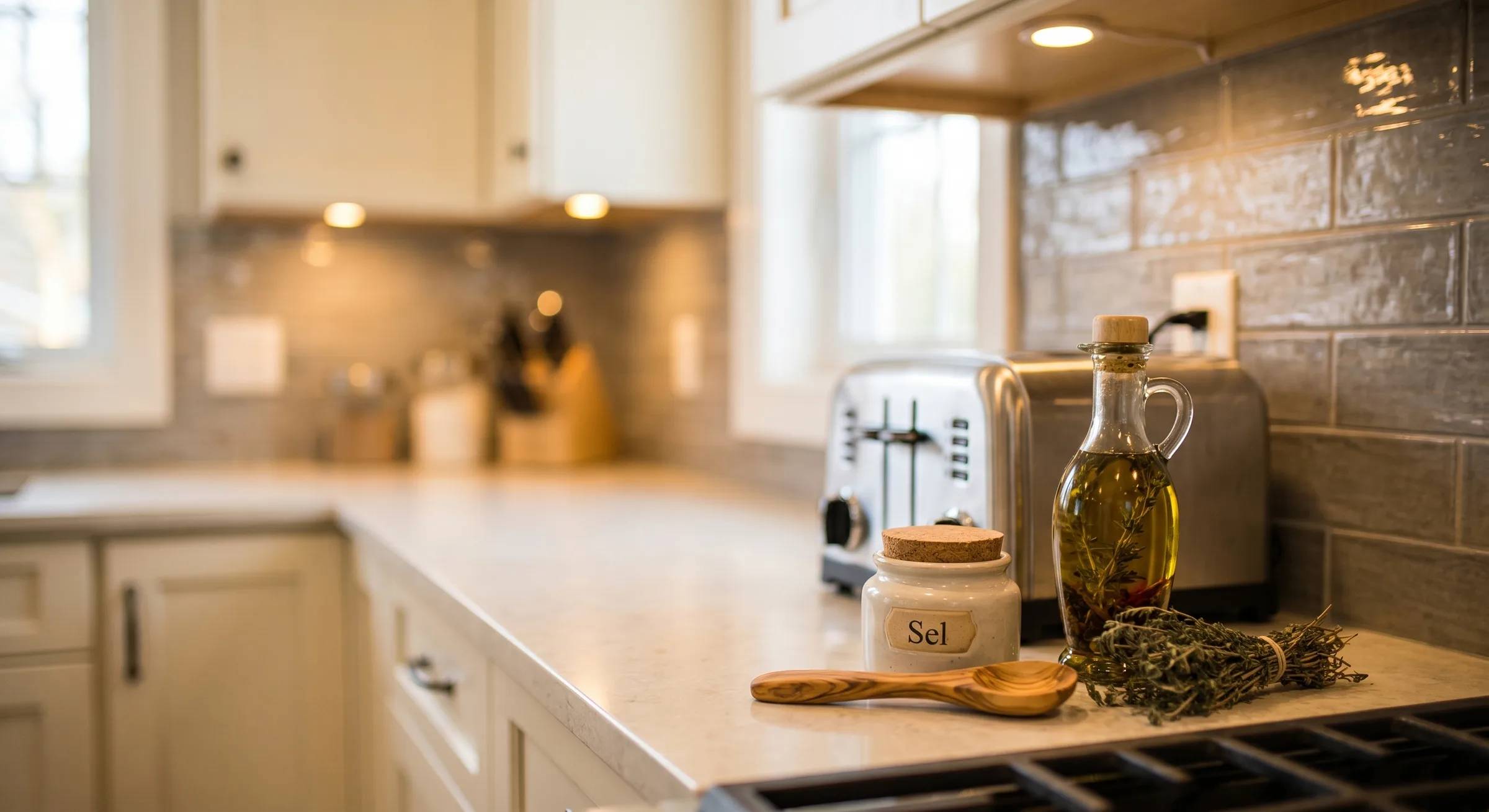
In the bathroom, the vanity unit, mirror, lighting and surface-mounted taps can all be changed without breaking tiles. Concealed (built-in) shower valves are different: the valve body sits inside the wall, and a set from another brand may not fit it, which means opening the wall. Raking out dark grout, regrouting and replacing mouldy silicone often refresh a bathroom more than people expect. Painting with the right primer and a plasterboard ceiling with concealed lighting need no demolition either.
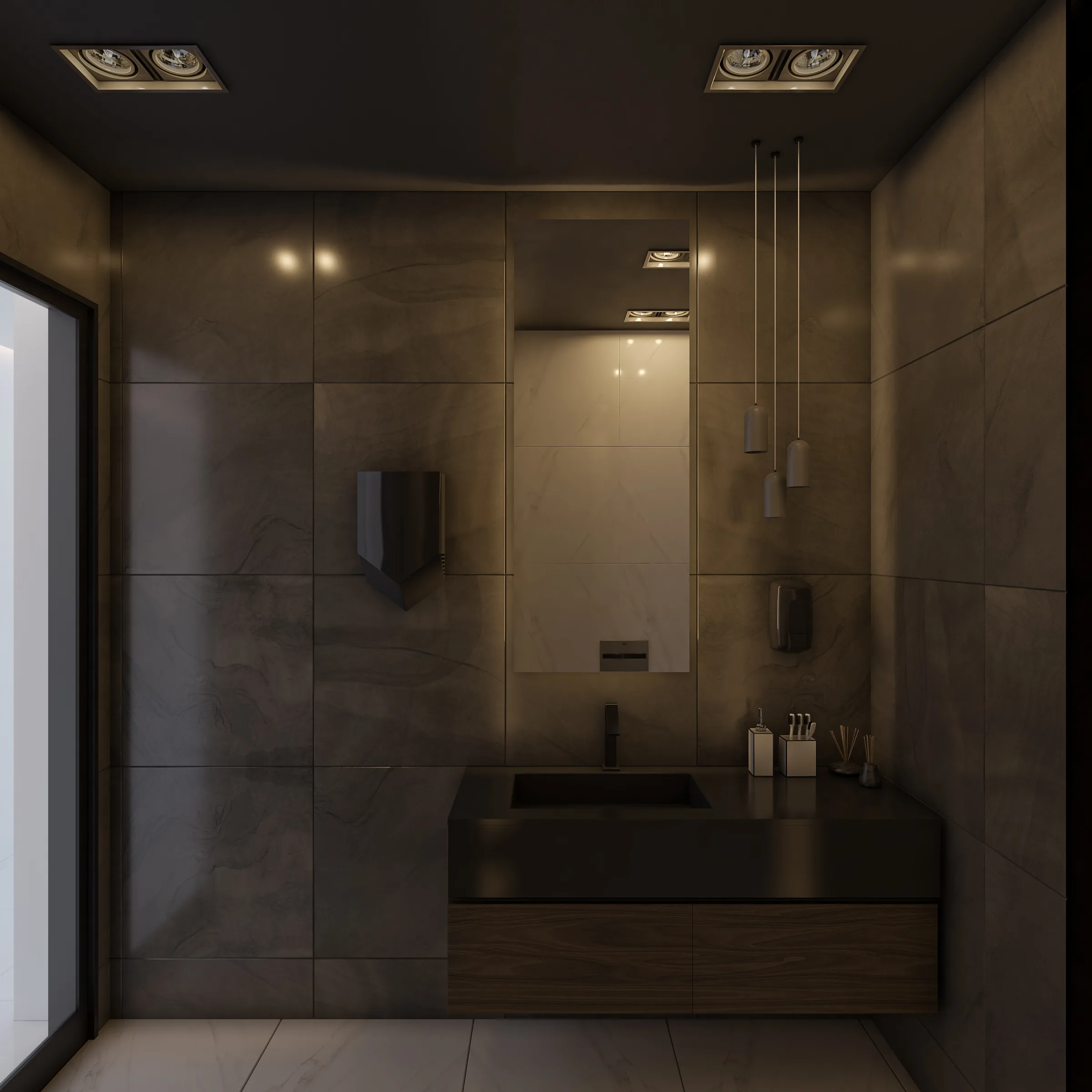
Without demolition there is far less dust and noise, and the house can often stay partly in use while work moves room by room. We still fix the duration after the survey, in a written work programme. If you want to use the quiet months between two letting seasons, see our article on planning a winter renovation.
How we separate overlay work from strip-out work at the same survey and run both in one programme is explained on our renovation in Fethiye page.
Frequently asked questions
Is going over the top cheaper than stripping out?
Usually, because removal, rubble and new screed drop out of the quote. Surface preparation, levelling and adjusting doors and units add items back, so after the survey we price both options side by side.
Can the work go ahead while I am abroad?
Overlay work suits owners who spend part of the year away, because once the surface has been tested there are fewer surprises. Materials are approved on samples and in writing before work starts, and the scope, item-by-item quote and payment stages are written into the contract.
Do I need permission from the building management?
Interior work that does not touch the structure or the façade generally does not need a building permit. Your building or site management (yönetim) may still set working hours and rules for deliveries and rubble, so check with them before the start date, and with the municipality if you are unsure.
If you would like to know what in your home can be overlaid and what has to come up, get in touch; we will test the surfaces on site and prepare an item-by-item quote.
- kırmadan tadilat
- seramik üzerine seramik
- SPC zemin
- mikro çimento
- Fethiye tadilat