


· 5 min read
Insulation and Windows in Fethiye: An Energy-Efficient Home
External wall insulation, thermal bridges, window frames, glazing and fitting: the building-envelope decisions that keep a Fethiye home comfortable in damp winters and hot summers.
Architect Okan Çakal
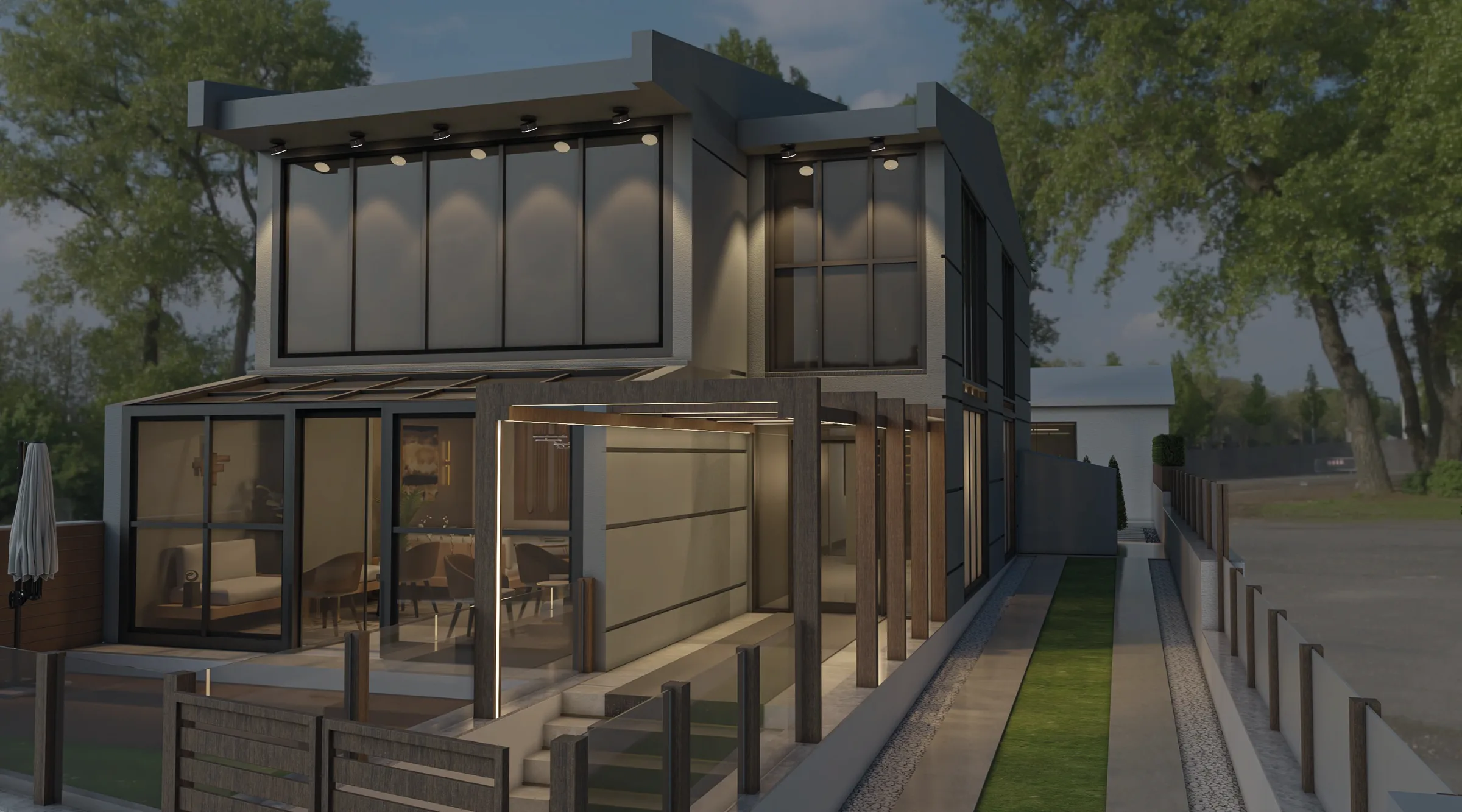
Owners who arrive back in Fethiye after a winter away often find the same things: a musty smell, black spots in the corners of bedrooms, water running down the inside of the windows. In summer the complaint changes to rooms that never cool down and air conditioning that runs all day. From our experience on site, both problems usually come from the same source: insulation and windows chosen separately, as if they had nothing to do with each other. This article treats them as one decision.
1. Why insulation matters in a warm climate
Insulation is not only for cold countries. In Fethiye, winter brings rain and high humidity together. The inside surface of an uninsulated wall gets cold, moist air in the room condenses on it, and mould starts in corners and behind furniture. A house that is closed up for months with no heating or ventilation suffers most. In summer the same walls and roof carry the sun's heat inside.
A well-insulated envelope keeps inside surfaces close to room temperature, reducing condensation in winter and overheating in summer. Shading and natural ventilation are covered in our article on designing a cool house; here we focus on the envelope itself.
2. External wall insulation (mantolama)
In Turkey, external wall insulation is called mantolama: insulation boards are bonded and fixed to the outside of the walls, then covered with mesh and render. Its main advantage over internal insulation is that it also wraps the concrete columns and beams. The structure is protected from temperature swings and you lose no floor space inside.
The material depends on the wall:
- EPS (expanded polystyrene): the most common board on facades, easy to apply.
- XPS (extruded polystyrene): absorbs less water, suited to foundations, basement walls and areas close to the ground.
- Stone wool: non-combustible and vapour-open, chosen where fire safety is more sensitive and on taller buildings.
Board thickness should come from the thermal calculation in the project, not from habit. Just as important is that the insulation runs continuously, without gaps.
3. Thermal bridges: where mould begins
Even if most of the boards are fitted correctly, a few weak points can undo the whole envelope. These points, where heat escapes easily, are called thermal bridges, and in Fethiye mould almost always appears right there:
- Balcony slabs that run straight through the wall
- Window and door lintels and the area under sills
- Roller-shutter boxes
- Corners where the wall meets the roof or the ground floor
- Holes drilled later for air-conditioning pipes and services
We draw these junctions in the construction details and check them on site before they are covered. Once rendered, fixing a thermal bridge means opening the facade again.
Insulation is sold by the square metre, but a house loses its heat at the corners.
4. Window frames: uPVC, aluminium or timber
The window is the weakest part of the wall, so frame choice is part of the insulation decision.
- uPVC: multi-chamber profiles insulate well; in Fethiye's sun, choose UV-stable profiles and colours.
- Aluminium: chosen for slim frames and large panes. For insulation it must be a thermally broken system; plain aluminium frames sweat in winter.
- Timber or timber-aluminium: warm in appearance and insulating, but needs regular maintenance.
Coatings and fixings that stand up to sea air are covered in our article on materials for Fethiye's climate.
5. Glazing and opening type
Insulated double glazing is now standard. Low-emissivity (Low-E) coatings cut heat loss noticeably, and an insulated "warm edge" spacer between the panes helps prevent condensation along the edges. On facades facing wind or a road, triple glazing or panes of different thickness can also improve sound insulation.
The way a window opens affects airtightness too. Tilt-and-turn windows close tightly against their seals. Large sliding doors are essential for the view, but how well they seal depends heavily on the system; lift-and-slide systems narrow that gap.
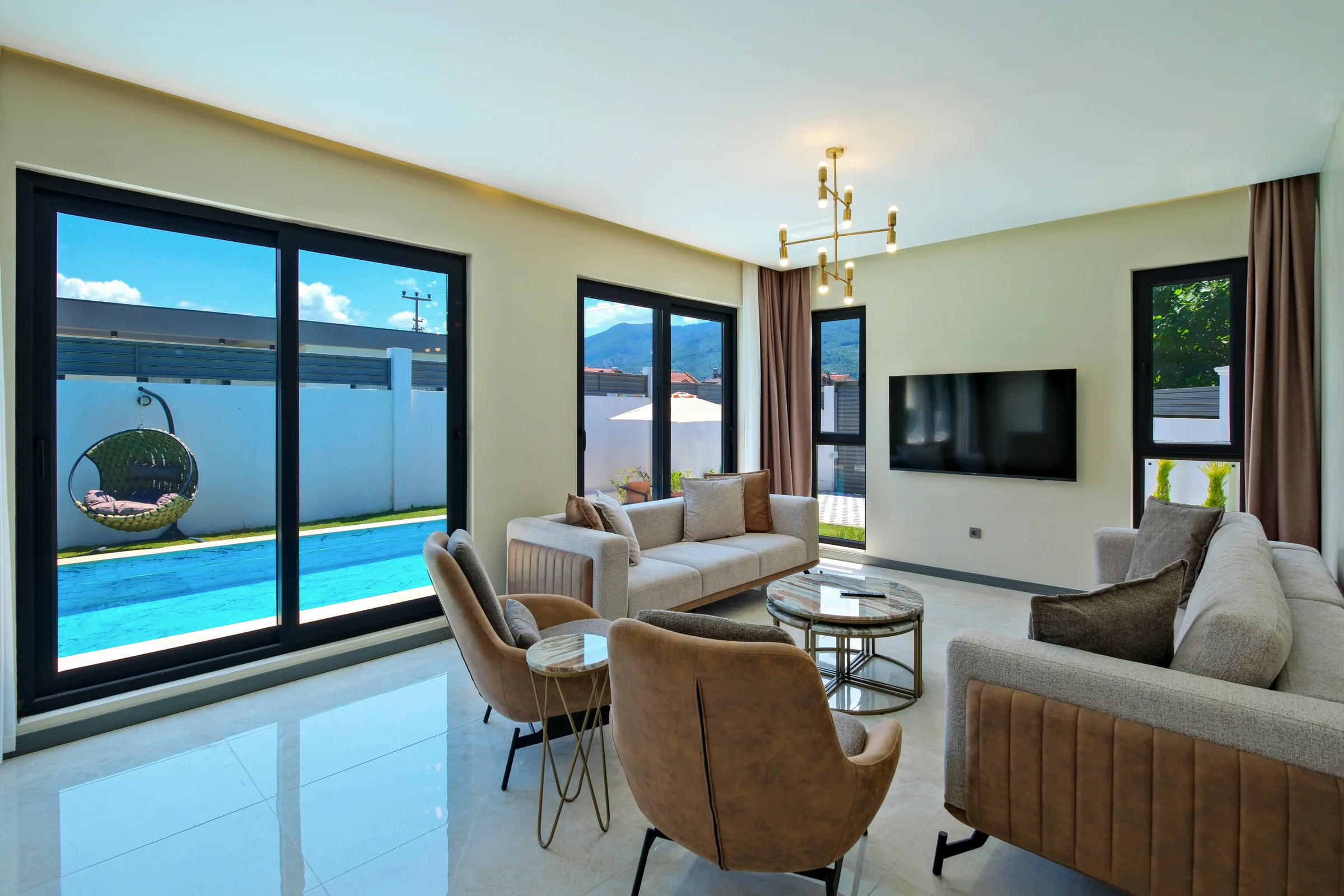
6. Fitting: a good window badly installed
Even a quality frame and glass lose performance if badly fitted. On an insulated facade, setting the window close to the line of the insulation reduces the thermal bridge around it. The gap between frame and wall should not be left with expanding foam alone, which breaks down in the sun. Sealing tapes, airtight on the inside and weatherproof but vapour-open on the outside, stop both draughts and condensation.
Do not forget the front door: without an insulated leaf, good seals and a proper threshold, cold air and wind-driven rain will still get in.
7. Upgrading an existing home
In a new house we design insulation and windows together from the start. In an existing home the usual order is roof or top-floor ceiling first, then windows, then walls. In an apartment block or complex the facade is common property, so external insulation has to be agreed with the management and other owners; confirm the process with them.
One warning: once new windows make the house airtight, ventilation matters more. Extract fans in bathrooms and kitchen, and short regular airing, keep moisture from building up. If the house will be empty in winter, ask your caretaker to air it, or plan ventilation and dehumidifying for that period.
How we manage insulation and window work as part of a build is explained on our construction in Fethiye page.
Frequently asked questions
Is external insulation worth it in a warm place like Fethiye?
Yes. It reduces condensation and mould in winter and heat coming through walls and roof in summer, so it affects comfort and cooling in both seasons.
Why do my windows stream with water in winter?
Moist room air condenses on cold glass and frames. Insulated frames, Low-E glass, warm-edge spacers and regular ventilation reduce it considerably.
Can windows be replaced without damaging the facade?
Usually the old frame is removed and the new one fitted into the existing opening, with the surround repaired inside and out. If the opening size changes, the lintel and structure need checking.
If you are thinking about insulating your home or replacing its windows, get in touch and we will inspect it on site and set out the priorities item by item.
- ısı yalıtımı
- mantolama
- doğrama
- pencere seçimi
- Fethiye