


· 5 min read
Building a House in Fethiye: What to Check at Each Stage
A house's quality hides behind closed walls and poured concrete. What should be checked at each stage of construction in Fethiye, from the foundations to handover.
Architect Okan Çakal
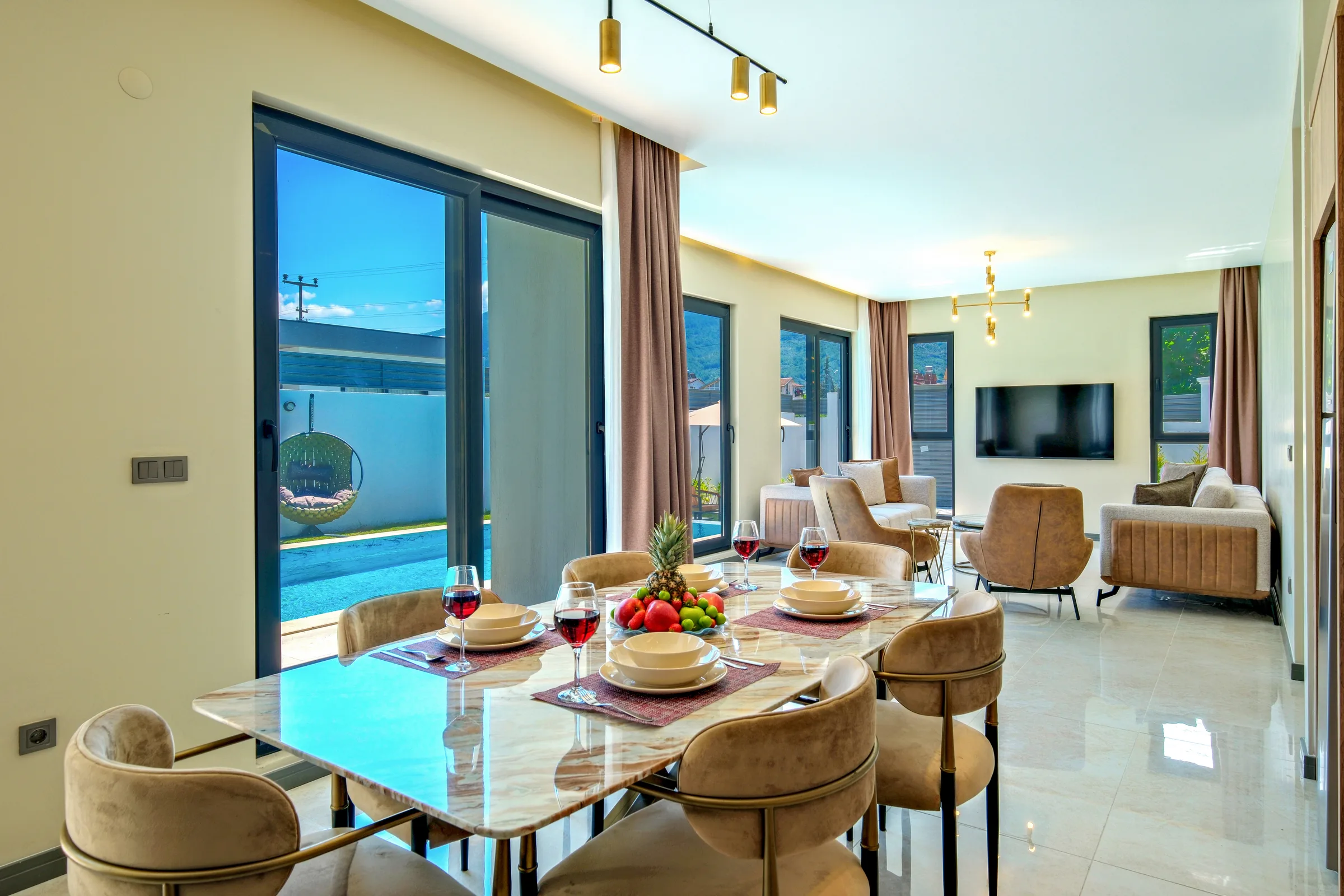
Much of a house's quality hides where nobody looks after handover: in the reinforcement inside the concrete, the pipes behind the plaster, the waterproofing under the tiles. That is why checks need to happen at every stage, before that stage is closed up, not on handover day. Here is what should be checked at each stage of building a house or villa in Fethiye, from our experience on site. Some of these checks are, by law, the job of the licensed building inspection company (yapı denetim); but knowing what is being checked helps you understand whether the build is on track, especially if you are following it from abroad.
1. Ground and excavation
Everything starts with the ground. The soil survey report decides how the foundations are designed, and when excavation starts the ground is checked against it. On sloping plots, retaining walls and the safety of excavated slopes are the key issue at this stage. Rainwater should not collect in the excavation, and drainage has to be planned from the start.
2. Foundations and reinforcement
Before the foundation concrete is poured, the reinforcement is checked against the structural drawings: bar sizes, spacing, laps, concrete cover and earthing. Once the concrete is poured, this check is no longer possible. Waterproofing under and around the foundations is also completed at this stage; adding it later is very difficult.
Once concrete is poured there is no way to see a mistake inside it; the check happens before the pour.
3. The frame: columns, beams and slabs
The frame repeats the same cycle on every floor: formwork, reinforcement, pour. The accuracy of the formwork, reinforcement that matches the drawings and properly placed concrete decide the health of the structure. In Fethiye's hot summers concrete loses water quickly, which can cause cracking, so keeping it moist after the pour (curing) must not be skipped. The structure and the Turkish earthquake code are covered in our article on earthquake-resistant structures.
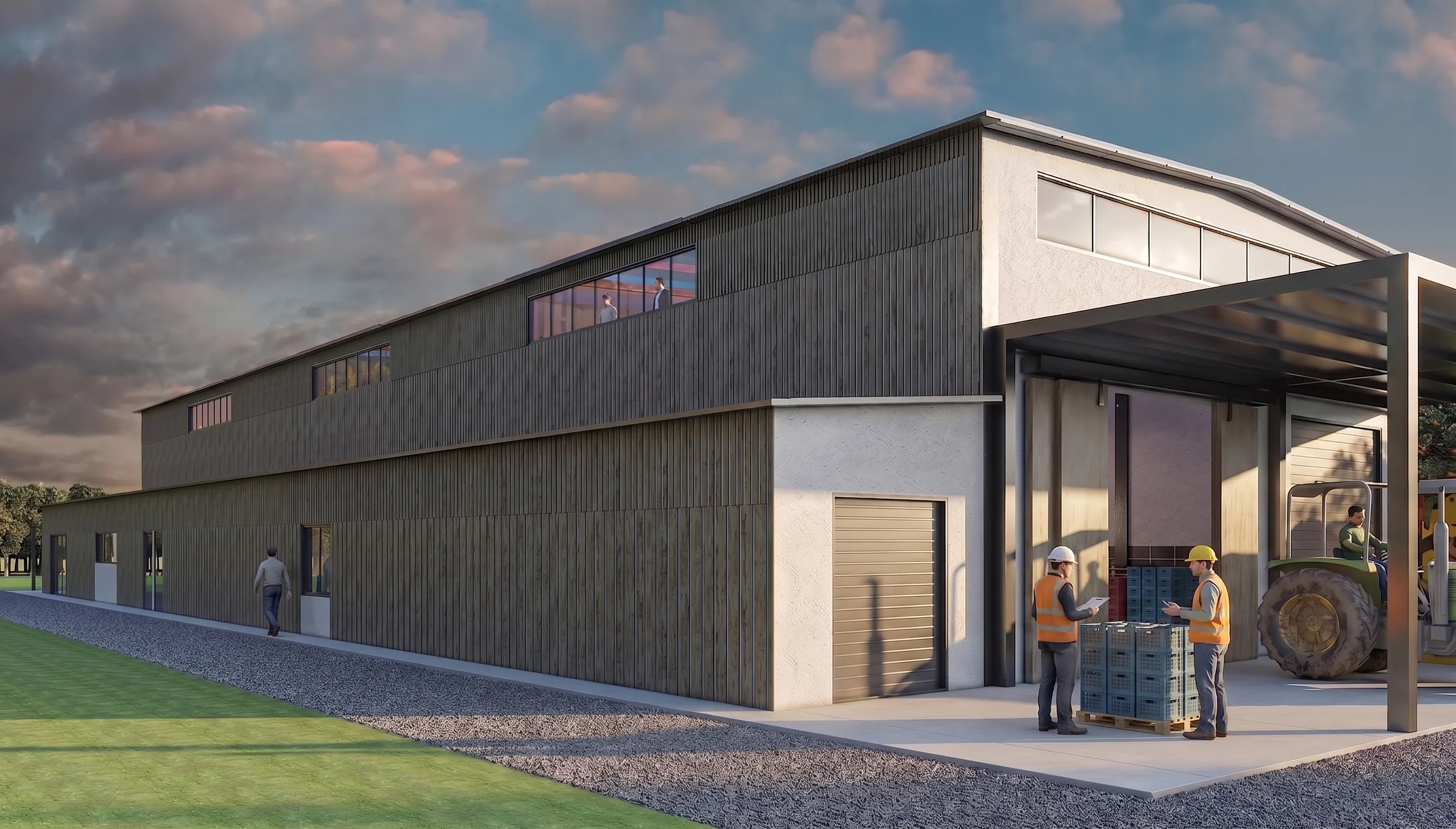
4. Walls, roof and windows
Once the frame is up, check that walls are built where the drawings show them and that door and window openings are the right size; widening an opening later costs time and money. Closing the roof before the rains start is one of the key dates in any Fethiye work programme. How window frames are joined and sealed to the wall decides whether the façade gives trouble in the first winter.
5. Services: before the walls are closed
Electrics and plumbing must be checked before walls are plastered and floor screeds poured:
- Pressure-testing the water supply
- Checking the falls of drain pipes
- Comparing socket, switch and light positions with the interior design drawings
- Making sure routes for air conditioning, the cooker hood and ventilation ducts are in place
As the owner, taking your own photos of where pipes and cables run at this stage is very useful later, when you need to drill into a wall.
6. Insulation and wet areas
External thermal insulation should be continuous across the façade and around corners. In bathrooms, kitchens and on terraces, waterproofing goes on before the tiles and is tested with standing water where possible. Once tiles are laid, repairing the waterproofing underneath means taking them up. More in our article on waterproofing before winter.
7. Finishes and handover
Plaster, screed, floor and wall finishes, paint, window installation, doors, bespoke joinery and sanitaryware make up the finishing works. Checks are more visible here: flat surfaces, aligned joints, doors and drawers properly adjusted, fittings that work. Before handover we walk through the house room by room with the owner, write a snagging list, and hand over once every item on it is closed. The occupancy certificate (iskan) process also starts at this stage; who follows it up is written into the contract from the start.

Who does the checking?
In Turkey, specific stages of construction are inspected by law by a licensed building inspection company. On top of that, having the architect who designed the house on site keeps the design intact in the building. Because the team that designs our projects also runs construction, each stage is checked before the next begins. Tying payments to completed, checked stages rather than dates is another important safeguard for the owner; see our article on turnkey construction contracts.
How we run construction together with design in Fethiye is explained on our construction in Fethiye page.
Frequently asked questions
If there is a building inspection company, do I need other checks?
The building inspection company carries out the inspections required by law. The architect on site makes sure the design, materials and details survive into the building. The two complement each other.
How often should I visit the site?
You don't need to be there every day. Seeing the site at the stage changes is enough: foundations, frame, services before the walls close, and finishes. We agree in the work programme which dates are worth planning a trip around.
What if there are defects at handover?
Before handover we write a snagging list together and hand over once every item is completed. Keeping the list in writing makes it clear to both sides what has been closed.
If you are planning to build a house or villa in Fethiye, get in touch and we will talk through the project and the work programme.
- inşaat kontrolü
- kaba inşaat
- villa inşaatı
- yapı denetim
- Fethiye