


· 5 min read
Turnkey construction contracts in Turkey: 10 things to check before signing
Building a house or villa in Fethiye on a turnkey basis? Here is what your contract should spell out, from scope and specifications to payments and handover.
Architect Okan Çakal
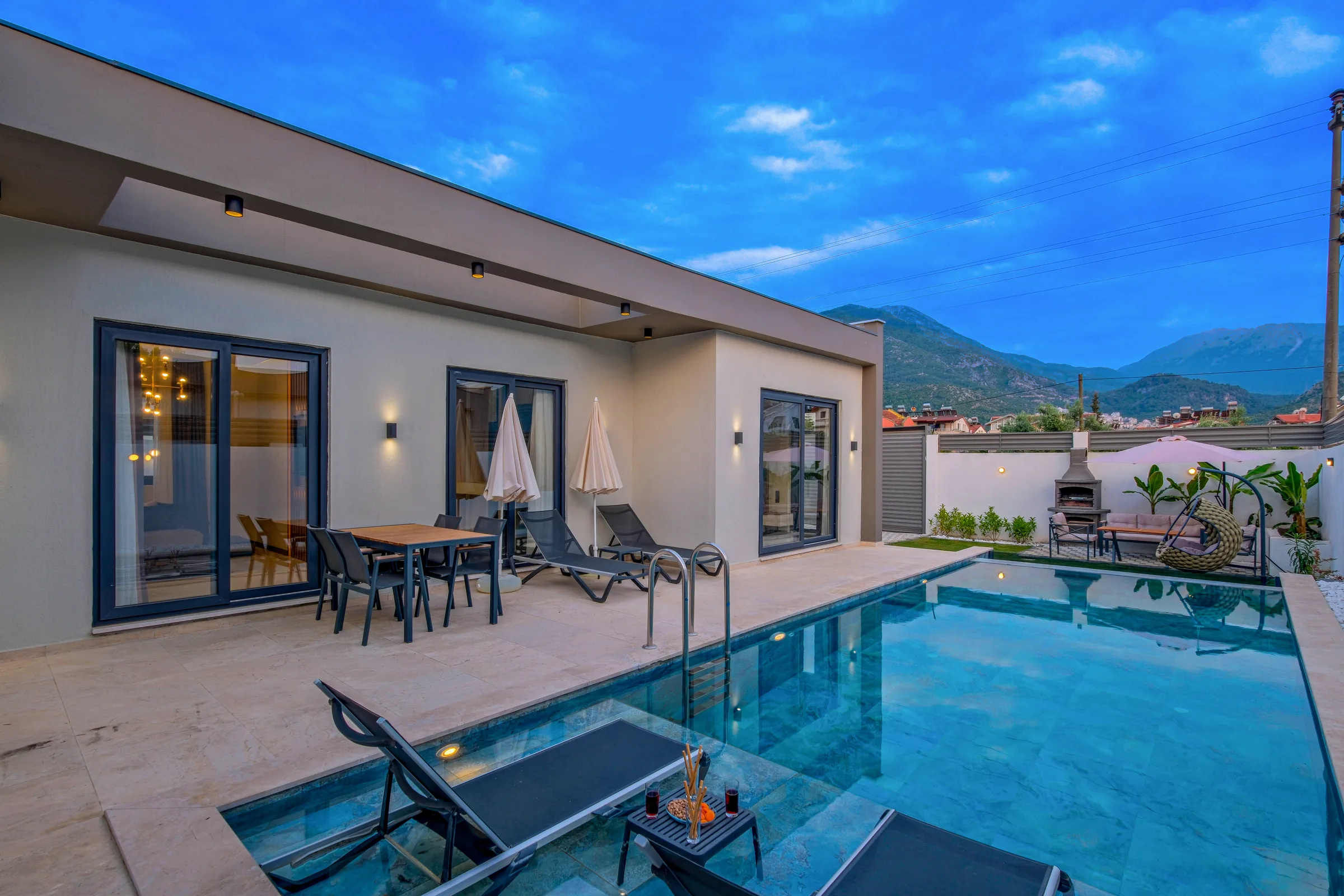
"Turnkey" (anahtar teslim in Turkish) sounds simple: you get the keys and the builder handles the rest. In practice those words mean very different things depending on how the contract fills them in. Most disputes on a house or villa build don't start on site; they start in the signed document, especially when the owner lives abroad and can't check details in person. From our experience on site, here are the points your contract should cover.
A note before we start: this is general guidance, not legal advice. We recommend having any contract reviewed by a lawyer before signing, ideally one who can explain the Turkish text to you in your own language.
Scope: what does "turnkey" include?
1. What is included and what is not
Scope is the most important part of the contract. "Turnkey" alone is not enough; the answers to these questions should be written down:
- Are excavation, retaining walls and site levelling included?
- Are the pool, landscaping, parking and boundary walls in scope?
- Are the kitchen, wardrobes, sanitaryware and light fittings included?
- Who supplies air conditioning, heating and hot water systems?
- Who arranges the electricity, water and sewer connections and utility contracts?
The "excluded" list matters as much as the "included" one. Anything not written down is a future argument.
2. Material classes and a specification list
"First-class materials" can't be measured. The main materials, from windows and doors to tiles, insulation and fittings, should be defined by type, class and, where relevant, brand and range. If a choice hasn't been made yet, the contract should state the class and budget range it will be chosen from.
3. Drawings as a contract annex
The architectural, structural, electrical and mechanical drawings, plus interior drawings if any, should be attached to the contract. That way "what will be built" rests on drawings rather than conversations, and the revision being used should be identified.
Schedule and payments
4. A work schedule with milestones
An end date alone isn't enough. Attach a schedule showing when the main stages (shell, services, finishes, external works) will be completed. Agree what happens in case of delay and which events don't count as delay, such as changes you request.
5. Payments tied to progress
The payment schedule should mirror the work schedule.
Linking payments to completed stages rather than calendar dates is the fairest approach for both sides: foundations, structural frame, roof, finishes, handover. The contract should also say how each stage will be confirmed as complete.
6. How changes are priced
Changing your mind during construction is normal. What matters is a clear process: changes requested in writing, with their cost and effect on the schedule approved in writing before the work is done.
7. How material price changes are handled
Material prices can move during a build, and in Turkey this is a topic owners from abroad often underestimate. Whether such changes affect the contract price, and if so for which items and by what method, should be discussed openly and written down before signing.

Permits and handover
8. Who handles permits and building inspection
The contract should state who handles the official steps (zoning status, project approval, the building permit, liaison with the building inspection company, or yapı denetim) and who pays the related costs. We explain the full process in our article on the building permit and iskân.
9. Handover and the snagging list
On handover day you walk through the house together and write down any defects in a snagging list. The contract should set out how this list is made, how the items will be fixed and what happens with defects that appear after handover.
10. Documents at handover
Along with the keys, you should expect:
- The iskân (occupancy permit), or a clear clause on how it will be obtained
- Updated drawings showing changes made on site
- Manuals and maintenance documents for equipment and systems
- Information on utility contracts
How we prepare our contracts
Our contracts set out the scope, material classes, schedule and payment stages item by item. The architect who designs the project also runs the site, which keeps the gap between drawings and construction small and gives you one point of contact. More on our Architecture & Construction page and in our guide to building a villa in Fethiye.
Our turnkey construction in Fethiye page explains how we write scope, programme and payment stages into the contract.
Frequently asked questions
Can the price change in a turnkey contract?
It can change in the ways the contract allows, typically through changes you request and, if agreed, material price adjustments. That is why both should be clearly defined before signing.
Should I have the contract checked by a lawyer?
Yes, we recommend it. Architects and engineers clarify the technical content, but the legal clauses should be reviewed by a lawyer, and a translation helps if you don't read Turkish.
What protects me if I live abroad?
A detailed written scope and specification, payments tied to completed stages rather than dates, and a clear definition in the contract of how each stage is confirmed as complete.
If you are at the contract stage for a house or villa in Fethiye, contact us and we will work through the scope and schedule with you.
- anahtar teslim
- inşaat sözleşmesi
- villa inşaatı
- Fethiye