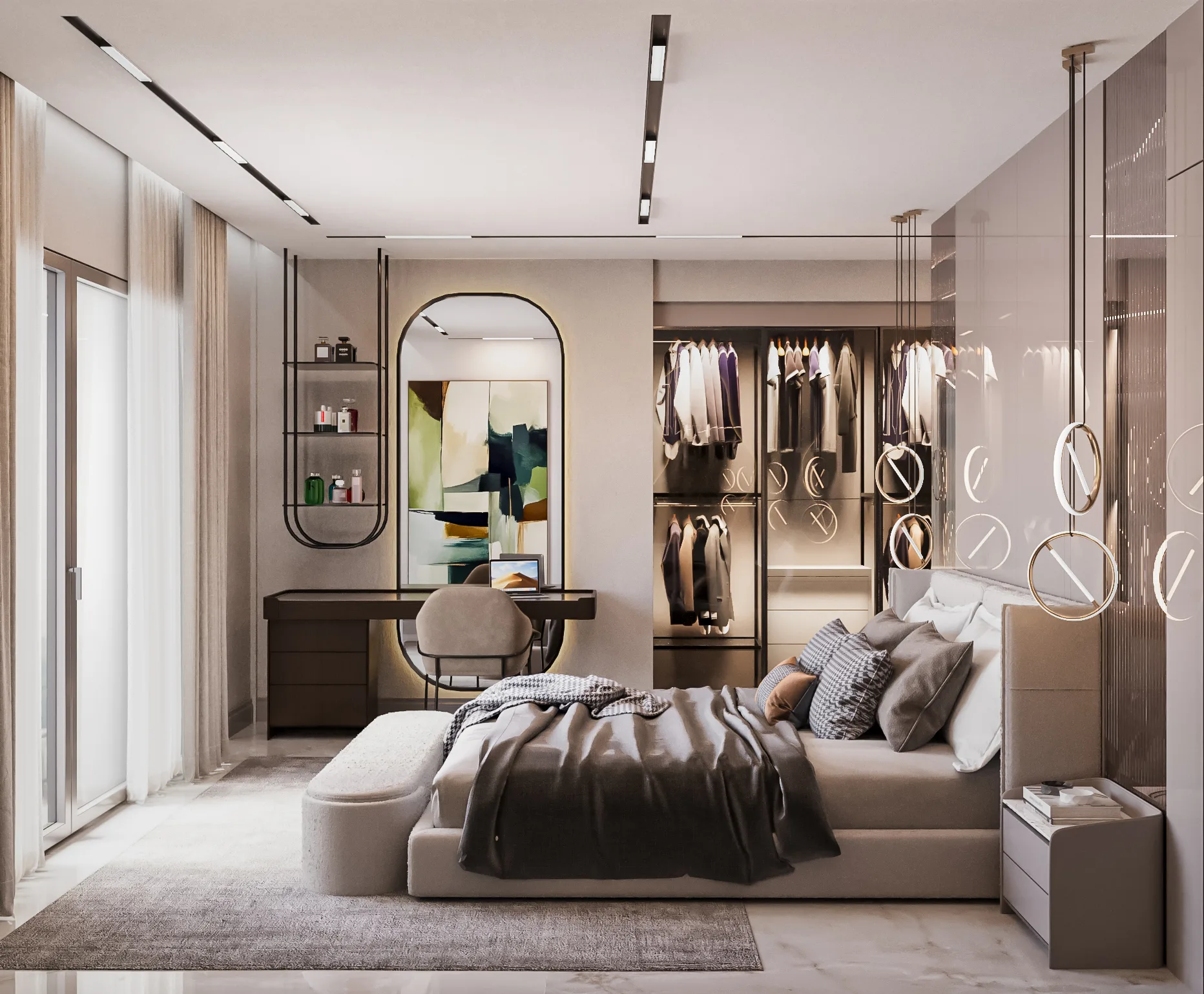


· 7 min read
Building a villa in Fethiye: from plot to keys, and what drives the cost
Thinking of building a villa on your plot in Fethiye? The steps you will go through, what really sets the budget and the mistakes we see most often on site.
Architect Okan Çakal
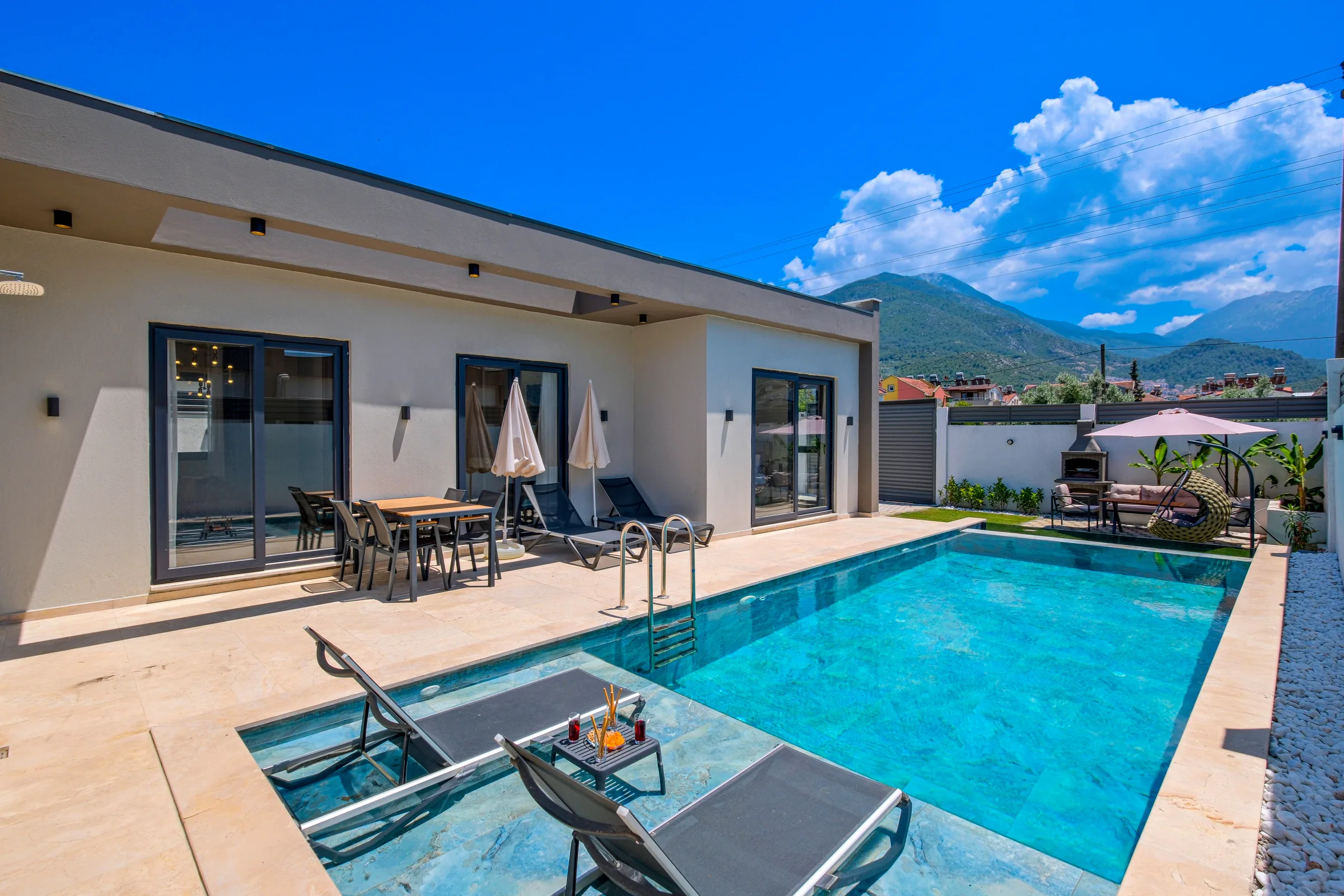
Whether you already own a plot in Çalış or Ovacık, or you are still looking at land around Ölüdeniz and Hisarönü, the first two questions are always the same: "What will it cost?" and "How long will it take?" Honest answers to both depend on the plot and on what you want to build. What we can explain, from our experience on site, is how the process works in Turkey and what actually drives the budget, so you ask the right questions early and avoid most surprises later.
1. The plot and its zoning status
Everything starts with the land. What you may build on a plot is set by its imar durumu (zoning status), a document issued by the municipality. It states how much floor area is allowed, how many storeys, and how far the building must stay from the road and the neighbours. Asking an architect for drawings or a builder for a price before you have seen the zoning status is wasted time.
When we look at a plot, we check:
- Building rights: the total floor area allowed (emsal), the footprint allowed on the ground (TAKS) and the height limit
- Slope: most plots with a view in Fethiye are sloped; terracing and retaining walls affect the budget directly
- Orientation and view: sun, wind and view all shape where the house sits
- Road and services: vehicle access, water, electricity and sewage connections
- Special restrictions: some areas have coastal or conservation rules
If you have not bought yet, have an architect review the zoning status and the slope before you sign. The ownership side of the purchase, including the tapu (title deed) and any rules that apply to foreign buyers, should be confirmed with a lawyer or notary; that is outside our field, but the technical check is not.
2. Your brief: how will the house be used?
The second step is to be clear about what you want. How many bedrooms and bathrooms? A pool? Will you live here all year, spend summers here and winters abroad, or let the villa to holiday guests when you are away? The same plot can produce two very different houses depending on the answers.
A villa that will be rented out needs durable, low-maintenance materials, en-suite bedrooms and surfaces that are quick to clean between guests. A house you will live in through the winter needs storage, good insulation and heating, and rooms that work for everyday life, not just for holidays.
3. Design and the building permit
A good design keeps surprises on site to a minimum.
The design starts as a concept and a preliminary scheme, and you see the layout and the look of the house in 3D visuals at this stage. This is the cheapest moment to change your mind: moving a wall on a drawing costs far less than moving it on site. If you spend part of the year abroad, this is also the stage that is easiest to follow remotely, because decisions are made on drawings and visuals.
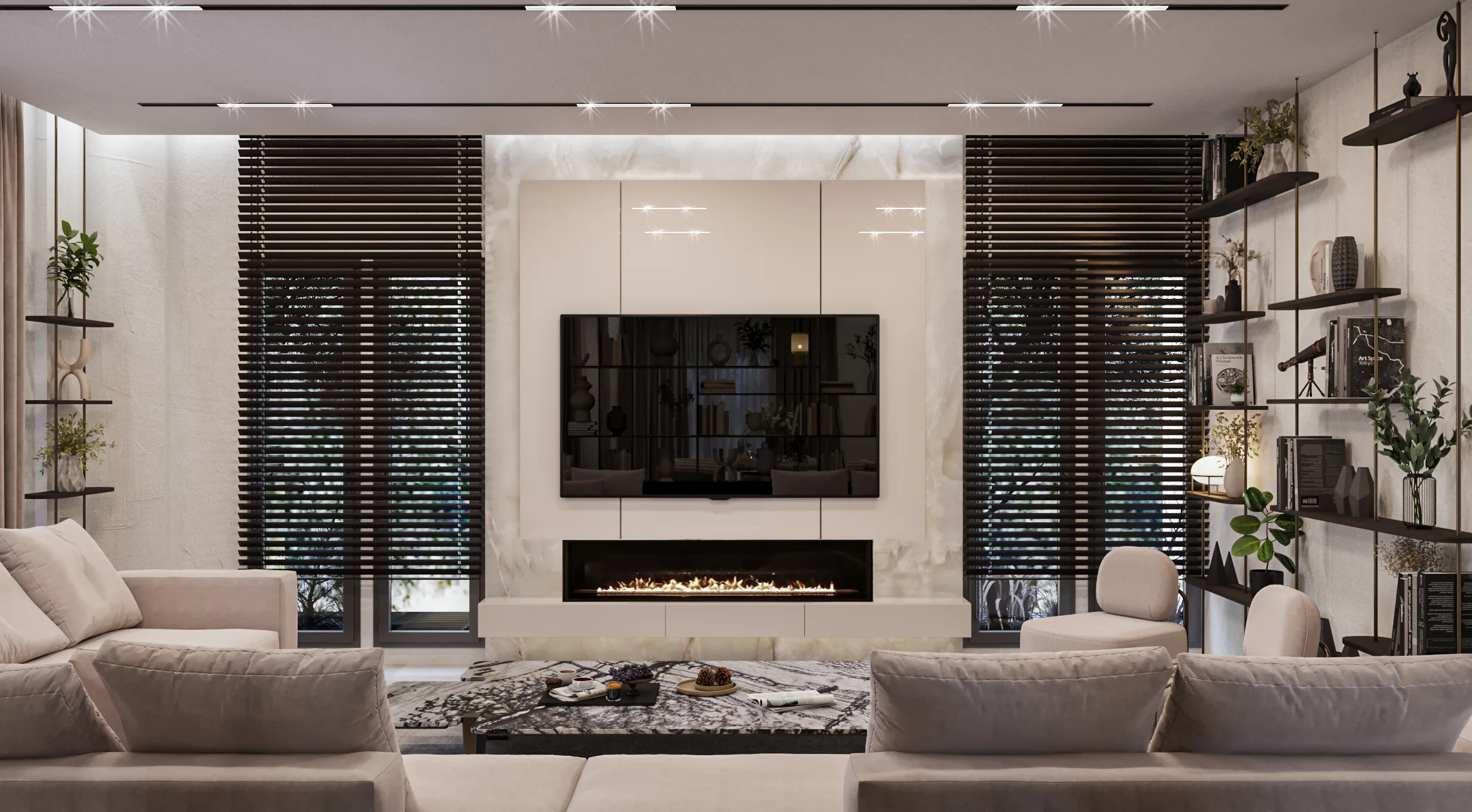
Once the design is settled, the permit file is prepared. Alongside the architectural project it includes structural, electrical and mechanical projects, a soil survey and a contract with a yapı denetim firm (the independent building inspection company every permitted building in Turkey must have). Fethiye is in an earthquake zone, so the structural project must comply with the Turkish Building Earthquake Code; this is not negotiable. We explain the permit stage in detail in our building permit and iskân guide.
4. Construction
After the permit is issued, the build moves through these stages:
- Shell: excavation, foundation, structural frame, walls and roof
- Services: electrics, water, drainage and, where needed, heating and cooling
- Finishes: plaster, insulation, windows and doors, flooring, tiling, paint
- Interiors and joinery: kitchen, wardrobes, bathrooms, lighting
- Outdoors: pool, landscaping, parking and boundary works
The critical point here is communication between whoever drew the project and whoever runs the site. We keep both in the same team: the architect who designs the house also manages the site, so a problem that comes up is solved the same day by someone who knows why the design is the way it is. For owners who are not in Fethiye during the build, having one point of contact makes a real difference.
What drives the cost?
Quoting a single price per square metre for a villa in Fethiye would be misleading. The difference between two villas comes much more from these factors:
- Plot conditions: slope, retaining walls, soil type
- Size and storeys: basement, terraces, covered areas
- Structural system: chosen according to the project, the plot and the schedule
- Specification level: windows, flooring, tiles, sanitaryware, kitchen
- Pool and landscaping: pool size and system, extent of the outdoor works
- Engineering and permit costs: projects, soil survey, building inspection and fees
- Timing: when the work is done and how material prices move
A reliable quote can therefore only be given once the design is known, and it should be itemised line by line. A contract that spells out the scope, the specification level, the work schedule and the payment stages prevents "that wasn't included" arguments later.
The most common mistakes
- Buying a plot without checking its zoning status
- Starting construction, or collecting prices, before the design is finished
- Hiring an architect, a builder and an interior designer separately and coordinating them yourself from abroad
- Leaving the specification level and scope vague in the contract
- Choosing delicate, high-maintenance materials for a holiday rental
A note from our own villas
We designed and built the EOSA Homes villa complex in Fethiye as our own investment.
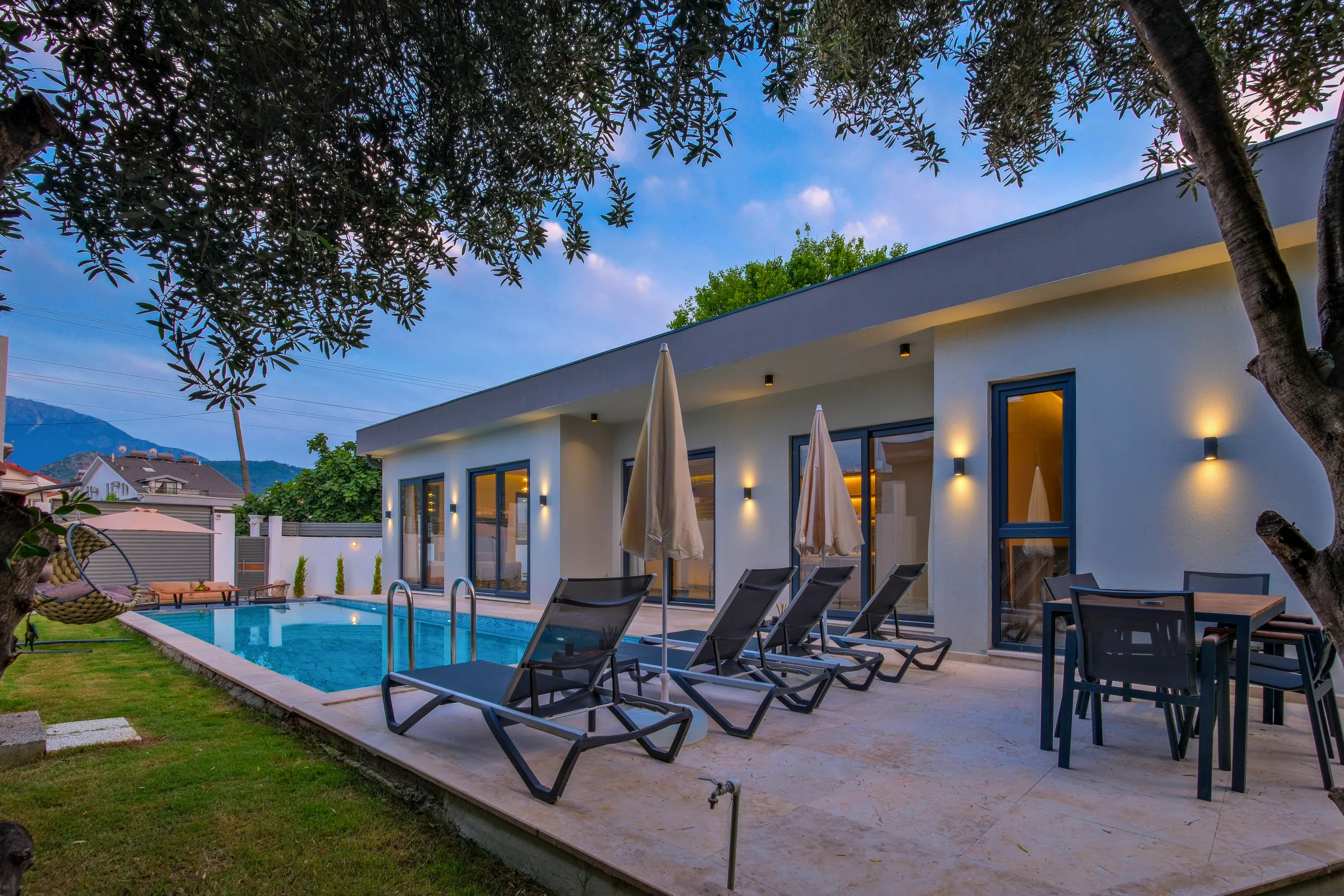
We went through every step in this article as investors spending our own money. Most of the solutions we recommend to clients were tested on our own project first. You can see more on our villa construction in Fethiye page.
If you would like to take the first step for your plot or the villa you have in mind, get in touch with us and we will review the zoning status and your brief together.
If you are planning a villa on your own plot, our villa construction in Fethiye page explains how we work from design to handover, and our architect in Fethiye page covers the design stage in detail.
Frequently asked questions
How much does it cost to build a villa in Fethiye?
It varies widely with the slope of the plot, the size of the villa, the specification level and the pool and landscaping scope. A reliable figure can only be given once the design is known, as an itemised quote.
How long does villa construction take?
It depends on how quickly the design and permit are prepared, and on the size and scope of the villa. Drawing up separate work schedules for the design stage and the construction stage at the start keeps the timeline realistic.
Can I build in Fethiye while living abroad for part of the year?
Yes, it is possible. It helps to settle as many decisions as possible at the design stage, and to work with a team where the same architect designs the house and runs the site, so you have one point of contact.
Should I talk to an architect before buying a plot?
Yes. The zoning status, the slope and the service connections decide what you can build and what it will cost; knowing them before you buy is the cheapest insurance there is.
- villa
- Fethiye
- villa inşaatı
- maliyet