

· 6 min read
Renovating an Older Villa in Fethiye: Where to Start
Bought a resale villa in Ovacık, Hisarönü or Çalış and want to bring it up to date? The right order of work: survey, structure, paperwork, roof and services, windows, then interiors.
Architect Okan Çakal

Many foreign owners in Fethiye buy a resale villa rather than build: the location in Ovacık, Hisarönü or Çalış is right, the view is lovely, but the bathrooms are tired, the windows leak heat and something lets damp in every winter. It is tempting to start with a new kitchen and bathrooms. From our experience on site, the order that works is the opposite: the building first, then what you cannot see, and only then what you can.
1. Start with a proper survey
Before deciding anything, we walk through the whole house with you and look at:
- Cracks in walls, ceilings and around columns and beams, and which way they run
- Damp, bubbling paint or mould at the base of walls, in the basement and behind wardrobes
- Broken roof tiles, standing water on flat roofs and blocked drains
- The state of the plumbing and the electrical panel, and which parts are original
- Whether windows and doors let in air and water when closed
- Whether the pool, its plant room and the garden irrigation actually work
The walk-through produces two lists: what has to be done and what is your choice. The budget goes to the first list first. The factors that drive renovation costs are explained in our article on what determines renovation prices in Fethiye.
2. Structure and earthquake safety
Fethiye is in an earthquake zone, and older villas may have been built under rules that came before today's Turkish Building Earthquake Code. If we see a worrying crack in the structure, spalling concrete or rusting reinforcement, we recommend that a structural engineer assesses the building before any interior work begins. Any strengthening must come before finishes; lifting a brand-new floor to reach the structure is costly and avoidable.
If you want to remove a wall, whether it is load-bearing must be checked against the drawings and on site. How to read the structure as an owner is covered in our guide to earthquake regulations and structural systems.
3. Paperwork: tapu, iskân and what was actually built
A common situation with older villas is that the house today does not match the approved drawings: a balcony enclosed later, a room added in the garden, a terrace extended. Before work starts we review the tapu (title deed), the iskân (occupancy permit) and the approved project together with you.
Interior renovations that do not touch the structure or the façade generally do not need a permit. Work that changes the façade, adds floor area or alters the structure may need municipal approval. How to deal with parts that do not match the approved project differs from house to house; this should be confirmed with the municipality and, where needed, a lawyer, particularly if you plan to sell later.
4. The hidden work first: roof, damp and services
A stain on a newly decorated ceiling after the first winter storm is the classic sign of doing things in the wrong order. Fethiye's short, heavy winter rains find every weak point in an old roof or terrace. So we deal first with:
- Waterproofing of roofs and terraces, gutters and drainage falls
- The source of rising damp in basements and ground floors, and drainage around the house
- Replacing old water pipes, ideally with separate shut-off valves for each area
- The electrical panel, residual current protection and earthing, plus new circuits for today's air-conditioning and kitchen loads
Only when these are done are walls closed and floors laid. The other way round means breaking new finishes.
In an older villa, a new surface is only as good as the wall and pipes behind it.
5. Windows, insulation and keeping cool
In older villas the main complaint in summer is heat, and in winter damp and cold. Replacing single-glazed or leaking windows with thermally broken, double-glazed frames eases both. Adding external shading to large south- and west-facing glazing noticeably reduces the load on the air conditioning. If external wall insulation is being considered, we clarify early whether it changes the look of the façade and whether it needs approval.
6. Interiors: what to keep, what to change
Once the hidden work is done, it is time for the interiors. You do not have to replace everything. Natural stone floors in good condition, a solid timber staircase or sound internal doors can often be cleaned and restored, and they carry the character of the house.
Change usually makes the biggest difference in:
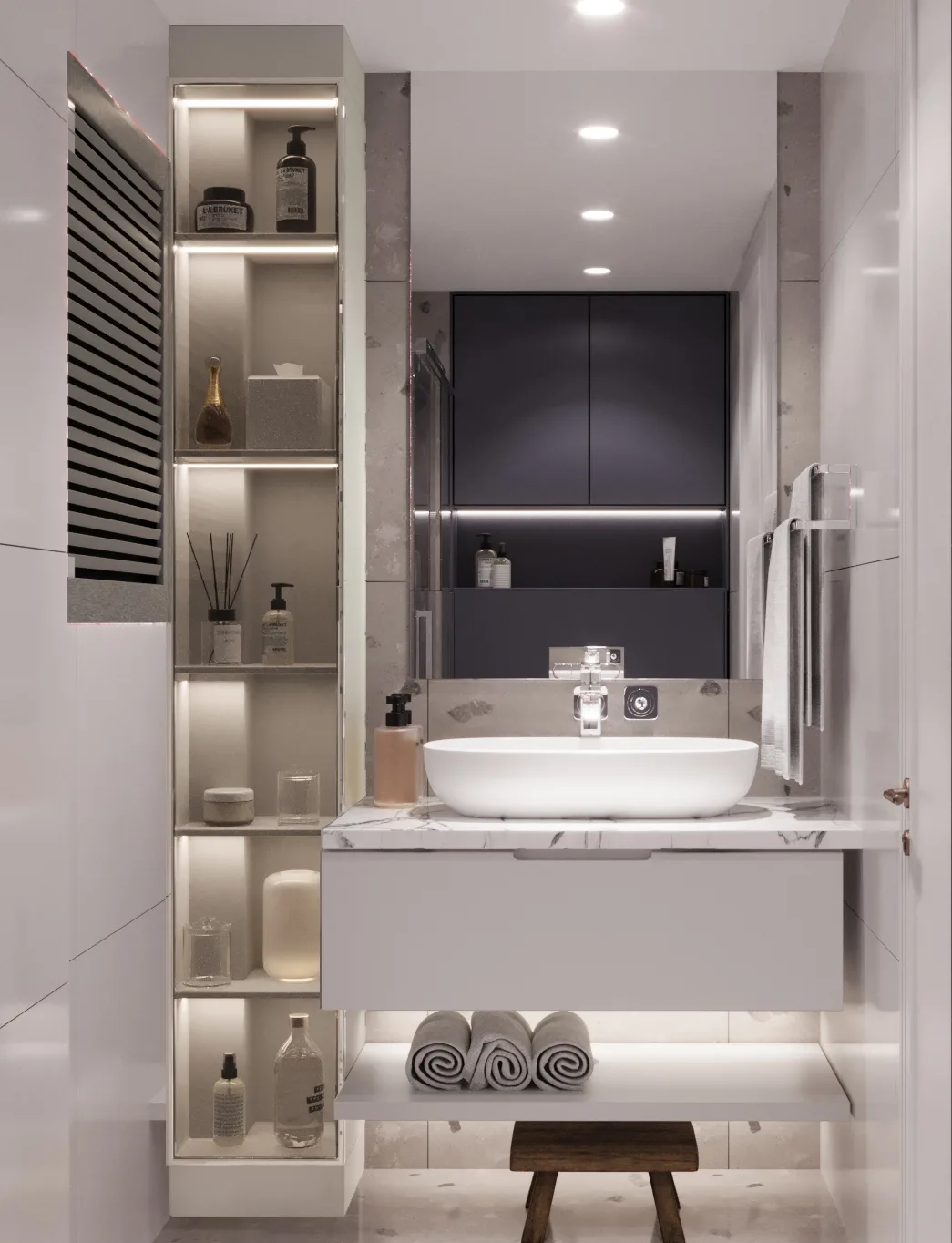
- Bathrooms: renewed from scratch, together with waterproofing
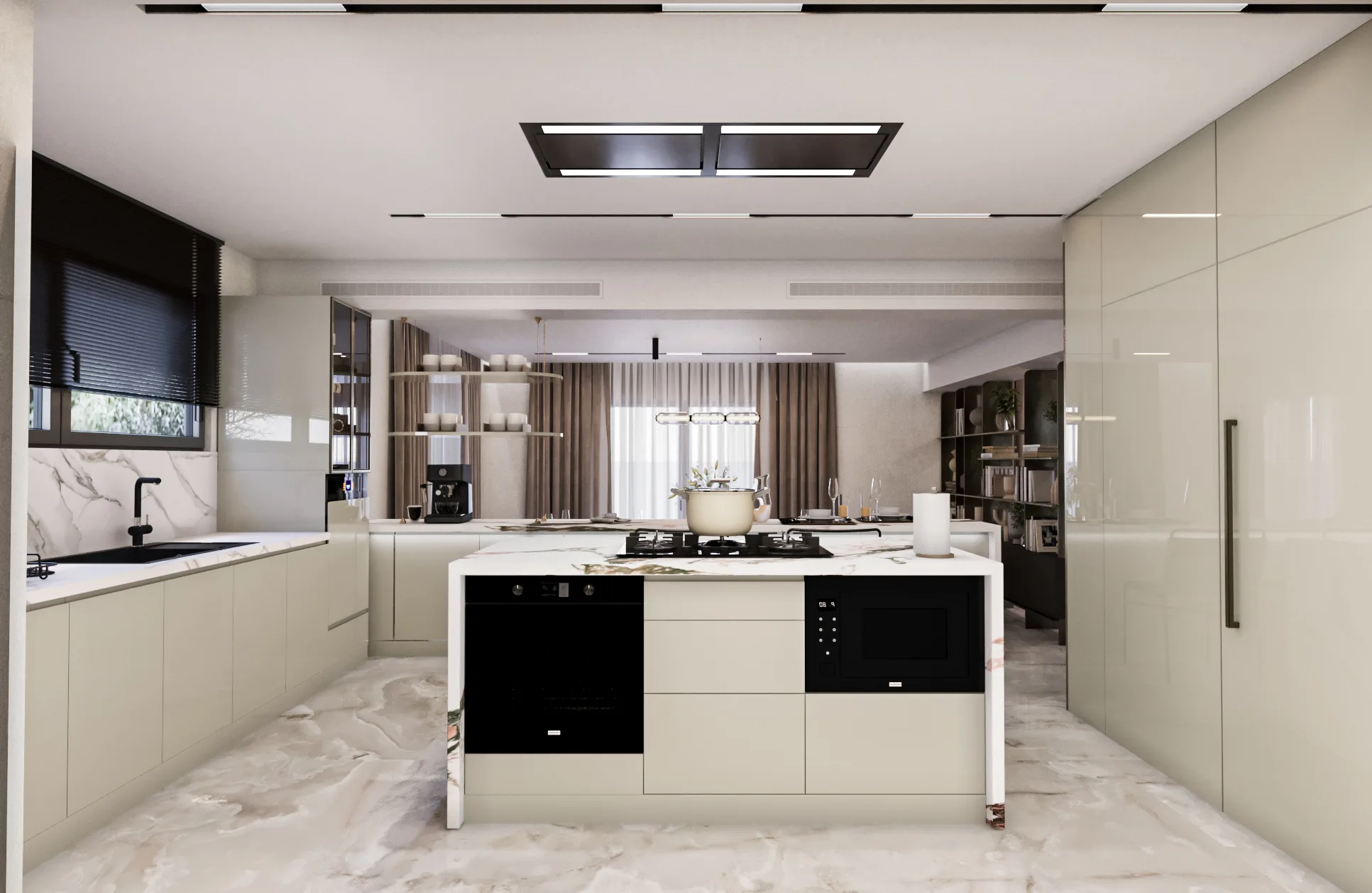
- Kitchen: layout, storage and new services together
- Lighting: from a single ceiling light per room to layered light
- Storage: fitted wardrobes in moisture-resistant materials

7. Phasing the work around your year
Villa renovations are often done in phases rather than all at once. If the villa is let or used mainly in summer, it makes sense to schedule the dusty, heavy work outside the season. We suggest this order: structure and safety, then roof, damp and services, then windows, and finally interiors and outdoor areas. How to build the timetable is covered in our article on winter renovation and pre-season planning.
If you live abroad for part of the year, what keeps the process clear is a written scope, an itemised contract and payments tied to completed stages, with designs approved through drawings and 3D visuals. Demolition, plumbing and electrics, flooring and made-to-measure joinery are carried out by our own team under the architect's supervision, so you have one point of contact.
How we approach renovation work is described on our renovation in Fethiye page.
Frequently asked questions
Is it better to renovate an older villa or demolish and rebuild?
It depends on the condition of the structure, the zoning rules and the plot. If the structure is sound, renovation is usually the sensible choice; if there are serious structural issues, we compare both options with you after an engineer's assessment.
Do I need a permit to renovate a villa in Turkey?
Interior work that does not touch the structure or façade generally does not. Work that adds floor area, changes the façade or alters the structure should be confirmed with the municipality first.
Can the villa be let during the renovation?
Usually not while heavy work is going on, because of dust, noise and service interruptions. By phasing the work outside the letting season, the villa can often be ready again before the summer.
If you are thinking of renovating an older villa, get in touch; we will inspect the house on site and put the priority list together with you.
- villa tadilatı
- villa yenileme
- eski ev tadilatı
- tadilat
- Fethiye