


· 6 min read
Renovating a Flat in Fethiye Before Letting It: Durable and Easy to Maintain
Renovating a flat to let is not about impressing on day one but about fewer breakdowns and less wear. From plumbing to floors, kitchen to air conditioning: where to spend and what not to overdo.
Architect Okan Çakal
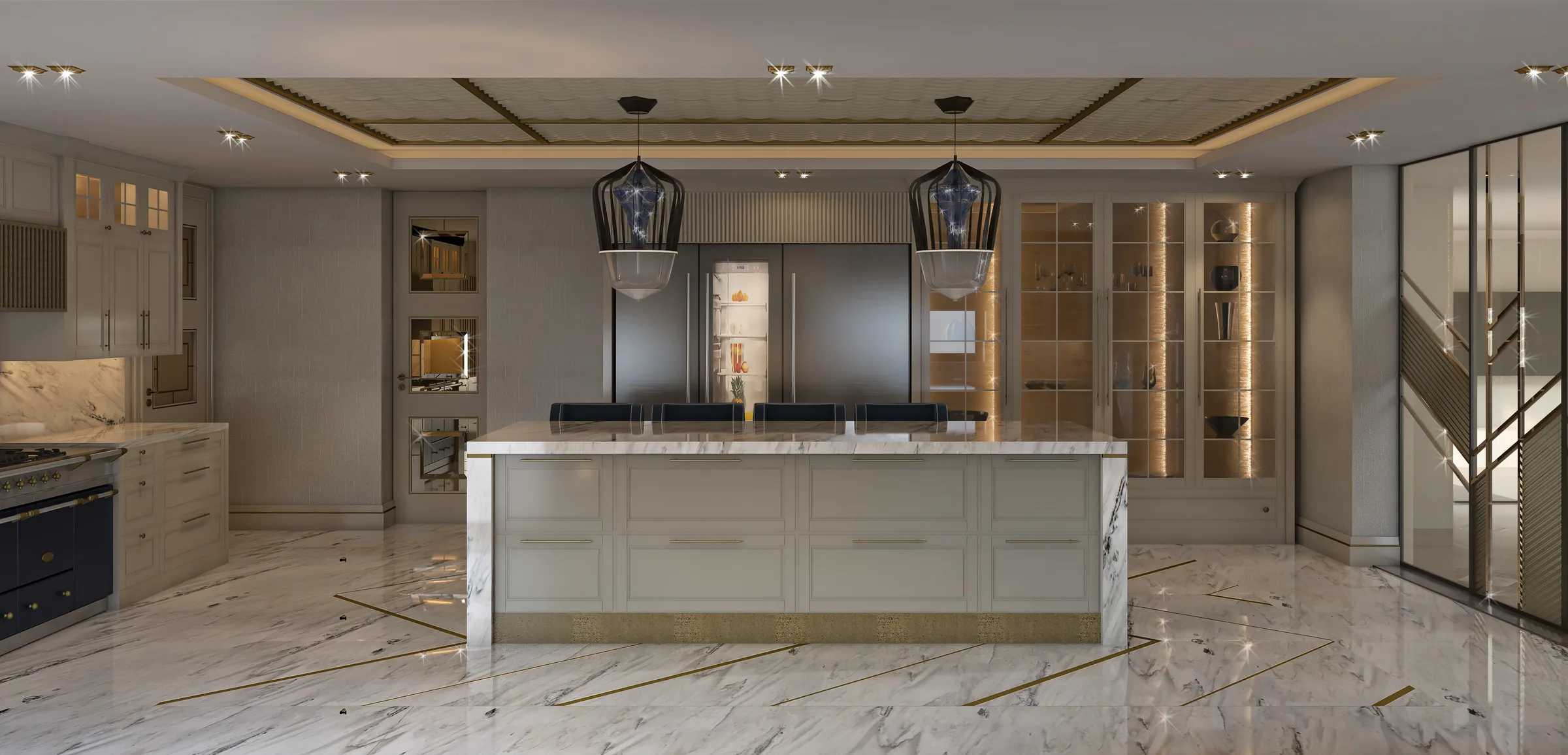
When owners renovate a flat they plan to let, they usually start with what shows: new cupboard doors, smart fittings, a fresh wall colour. Yet what really shapes the relationship with a tenant is the phone call at night: a leaking pipe, a tripped switch, no hot water, an air conditioner that will not start. That call is harder still when you live in another country. From our experience on site, the right renovation for a rental flat is one planned for someone who will not use the home the way you do, and that keeps working when you are not around. Here is where to put the budget first and what not to overdo.
1. First decide how you will let it: long let or holiday let?
The two create different needs. A long-term tenant lives in the flat and often brings their own furniture; they expect a solid kitchen and bathroom, enough storage and plumbing that works. A holiday let is fully furnished with frequent changeovers, so cleaning speed, wear on the entrance and bathroom, and a locked owner's cupboard come to the fore.
Letting a home short term may require a permit or registration from the relevant authority, and in apartment buildings there may be extra conditions such as the consent of the other flat owners. The building's management plan (yönetim planı) may also set rules. Check with the authority, the building management (yönetim) and, if needed, a lawyer before you decide.
2. The jobs behind the night-time calls: plumbing, electrics, hot water
In an older flat, the first money should go where it cannot be seen. Why old pipes left under new tiles come back to haunt you is explained in our article on mistakes when renovating an older flat. For a rental flat we add a few points:
- Waterproofing in wet areas: in an apartment block, a leak damages not only your flat but the neighbour's ceiling below.
- Isolating valves: a separate valve under every sink, basin and WC lets a tenant stop a leak without hunting for the main stopcock, and without waiting for you to answer the phone. Show the tenant where the main stopcock is, too.
- Electrics: a residual current device (RCD), separate circuits for the air conditioners, a labelled consumer unit and enough sockets by the beds, along the kitchen worktop and on the TV wall.
- Hot water: a combi boiler or electric water heater (termosifon) sized for the number of occupants, and fitted where a technician can reach it.
A tenant will not use the home the way you do; plan the renovation accordingly.
3. Surfaces that wear: floors, walls, doors
- Floors: porcelain tiles or good-quality vinyl (SPC, LVT) work well in rental flats. Impact noise is one of the commonest complaints between neighbours in apartment blocks, so thin floor finishes need an acoustic underlay. Solid wood scratches and reacts to humidity.
- Walls: use washable paint, note the brand, colour code and sheen, and keep the leftover tins. Between tenants, touch-ups can then be done without repainting whole walls. Avoid wallpaper.
- Doors: internal doors with a hard-wearing finish and a door stop on every one. Holes knocked into walls by door handles are a familiar sight at the end of a tenancy.
4. Kitchen and bathroom: easy to look after, parts easy to find
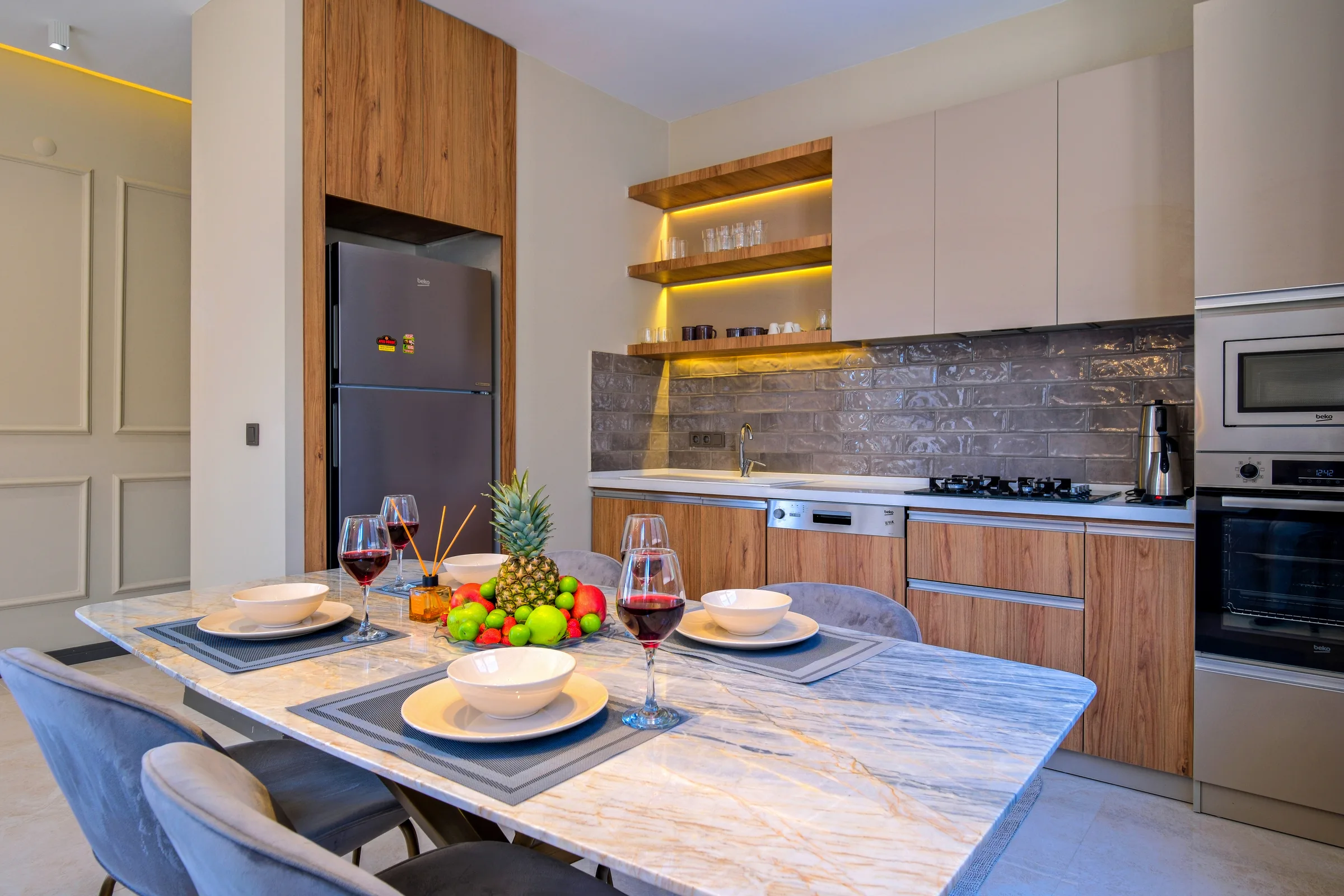
In the kitchen, choose a worktop that resists stains and heat and is easy to clean; natural marble, which acids can dull, is delicate for a rental kitchen. Gloss lacquer doors show every scratch, while matt, hard-wearing finishes stay presentable for longer. Standard sizes matter with white goods: being able to slide a replacement into the same space straight away means a tenant is not left without a kitchen for days.
In the bathroom, shower or bath depends on the tenant: a family with children may want a bath, holiday guests are happy with an easy-to-clean shower. Access to the service panel of a concealed cistern, widely available spare parts and an extractor fan with a humidity sensor prevent most bathroom complaints.
5. Comfort tenants notice: storage, light, air conditioning
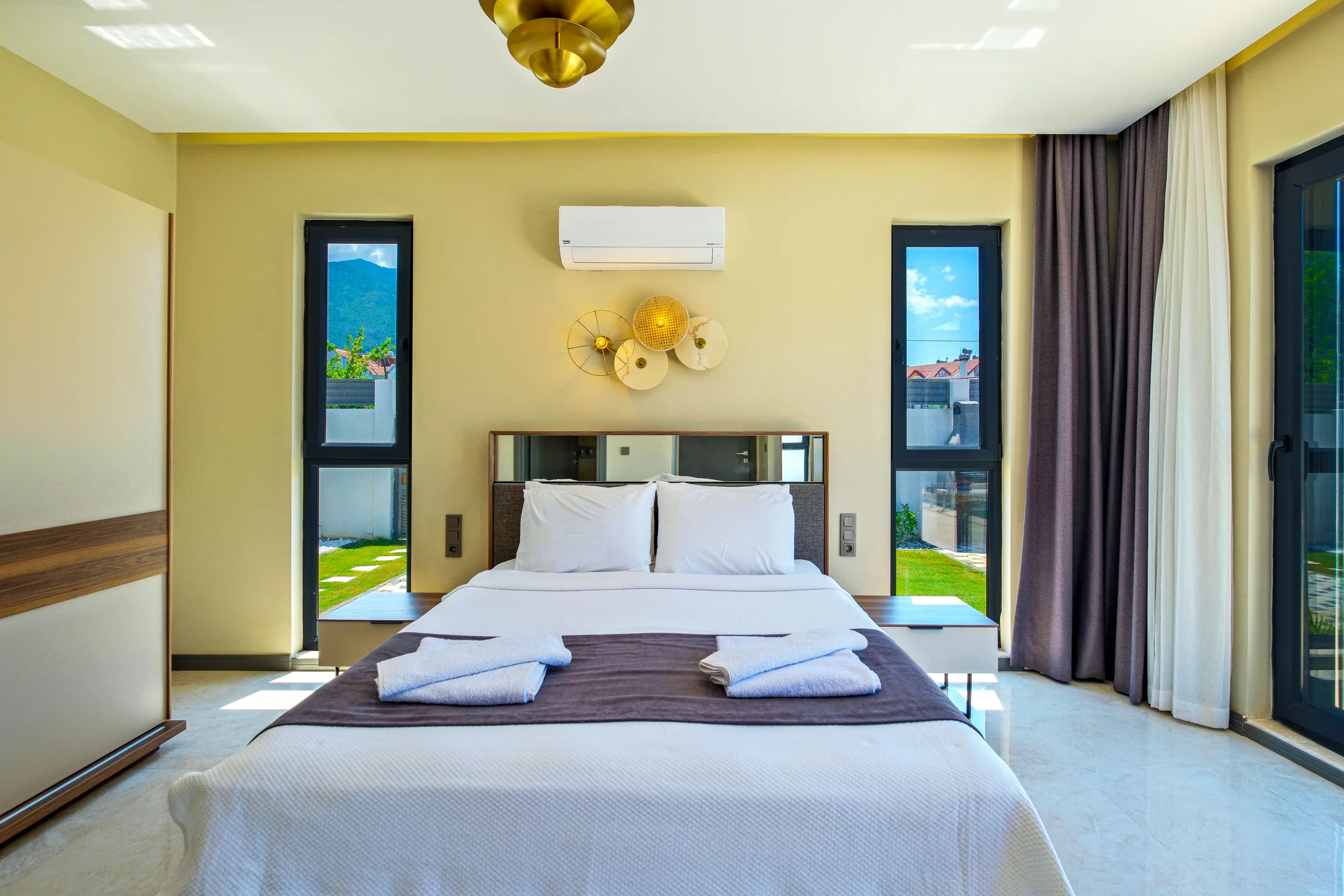
A shoe and coat cupboard by the door, a wardrobe in every bedroom, a place for the vacuum cleaner and ironing board, a corner for the washing machine: these are the first things a long-term tenant asks about. Every room needs proper ceiling lighting, and using one type of bulb throughout makes replacements easy. Plan air conditioning for each bedroom and the living room. The outdoor unit must follow the building's rules on the façade, and its condensate should run to a drain rather than drip onto the balcony below. In Fethiye, insect screens and blackout curtains are two details tenants notice in their first summer.
6. What not to overdo
Expensive but delicate surfaces in a rental flat often wear out by the first change of tenant: a marble worktop, gloss lacquer, a pale fabric sofa, a glass coffee table, wallpaper. Very personal décor, bold colours and complicated systems a tenant cannot work belong in the same group. Nor does everything need replacing; sound cupboard carcasses, doors or floors can stay. Scope, not floor area, sets the cost, as our article on what drives renovation costs explains. If the property you plan to let is a villa, the needs change; we gathered them in our article on designing a rental villa.
7. A handover file
When the work is finished, the flat should have a small file: an inventory, meter numbers, appliance manuals and service contacts, paint codes, spare tiles and flooring, the positions of valves and the consumer unit, and the building management's contact details. If you live abroad, keep one copy in the flat and one with you; it speeds up every changeover and every repair.
How we run flat renovations from survey to handover is explained on our renovation in Fethiye page.
Frequently asked questions
Do I need a permit to let my flat as a holiday rental?
You may. Short-term letting of homes can require a permit from the relevant authority, and apartment buildings may have extra conditions. Check the current rules with the authority, your building management and, if needed, a lawyer.
Can I have the flat renovated before letting it while I am outside Turkey?
Yes. The scope is written down and priced item by item, payments are tied to completed stages, materials and finishes are approved on samples and 3D images, and you deal with one contact throughout, the architect who also runs the work.
Do I need to renovate the whole flat before letting it?
No. A site survey shows the condition of the plumbing, electrics and wet areas; we keep what is sound and give priority to what could fail. The scope is set out in an itemised quote.
If you would like to look at your flat together before letting it, get in touch and we will survey it on site and list the priorities item by item.
- kiralık daire
- daire yenileme
- tadilat
- ev sahibi
- Fethiye